
Dubai is often celebrated for its skyscrapers, futuristic skylines, and cosmopolitan charm. Yet, long before it became the global city we recognise today, it was a humble coastal settlement shaped by one powerful force — the sea. Nestled along the historic Dubai Creek, the Al Shindagha Museum stands as a gateway to this forgotten world, preserving stories of resilience, craftsmanship, and community. Among its many pavilions, the Culture of the Sea exhibit offers one of the most immersive journeys into the city’s maritime roots.
For us at Light Studio Dubai, whose creative identity revolves around storytelling, heritage, and visual exploration, the Al Shindagha Museum represents more than history. It is a living narrative. A space where culture becomes tangible, where light dances on restored walls, and where the soul of old Dubai reveals itself one wave at a time.
In this blog, we dive deep into the museum’s essence, unpacking its stories and exploring how the sea has shaped Dubai’s past — and continues to influence its future.
A Living Archive of Dubai’s Past
Located on the banks of Dubai Creek, the Al Shindagha Museum is part of a meticulously restored heritage district. The area, once home to the ruling Al Maktoum family, now houses more than 20 pavilions dedicated to different aspects of Emirati culture — from perfumes and poetry to governance and community life.
What makes Al Shindagha unique is not just the information it presents but how it presents it. Rather than functioning as a traditional museum with static displays, it blends history with modern technology. Films, soundscapes, interactive screens, and reconstructed rooms make visitors feel as though they are stepping into stories rather than observing them from a distance.
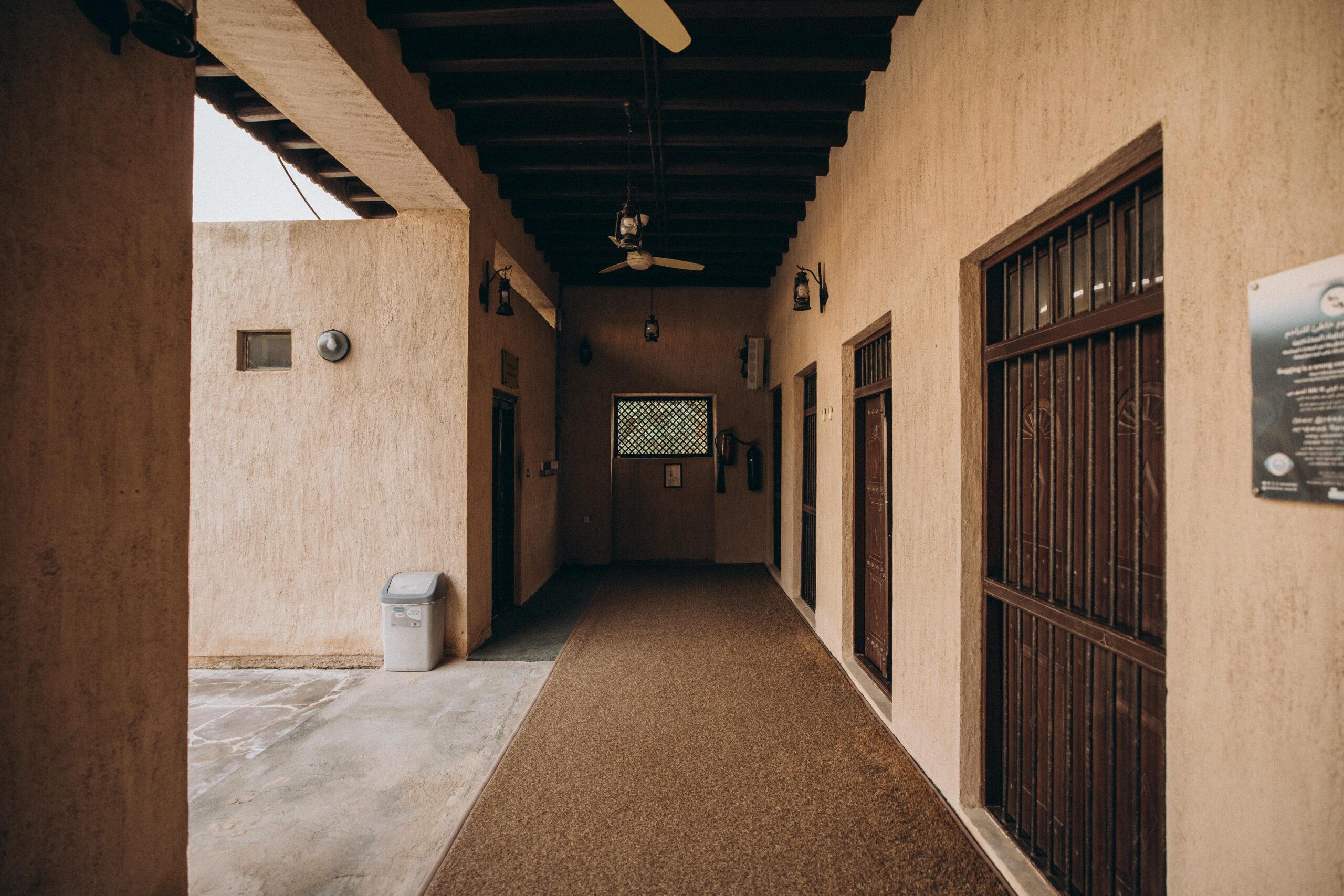
The architecture itself is a reflection of Dubai’s roots. Coral-stone houses, wooden beams, and wind towers (barajeel) transport you back to a time when communities lived by the rhythm of seasons, trade winds, and tides. Every alleyway feels alive, echoing footsteps of merchants, sailors, pearl divers, and families who once shaped the economic heart of the region.
Culture of the Sea Pavilion: Where Land Meets Ocean
Among the many experiences Al Shindagha offers, the Culture of the Sea pavilion stands out for its depth and emotional richness. The pavilion invites visitors to explore Dubai’s deep connection with the Arabian Gulf — not as a scenic backdrop but as a lifeline that sustained generations.
Here’s what you discover as you journey through the pavilion:
Maritime History: The Ocean as a Provider
Dubai’s earliest communities relied heavily on the sea for survival. Fishing, maritime trade, and navigation defined the city’s identity long before the discovery of oil.
Inside the pavilion, you encounter:
- Models of old fishing boats
- Maps of ancient trade routes
- Stories of merchants who traveled between India, East Africa, and Persia
- Descriptions of the daily life of seafaring communities
These narratives highlight how Dubai served as a cultural crossroads — a melting pot of languages, traditions, and craftsmanship brought in by sailors and traders who docked at its shores.
The sea did not merely feed the people; it connected them to the world.
Pearl Diving: A Story of Courage & Community
If one tradition truly defines the UAE’s maritime heritage, it is pearl diving. For centuries, pearl diving was the backbone of the region’s economy. It demanded bravery, discipline, and unity — values that still resonate in Emirati culture today.
The pavilion recreates the breathtaking yet harsh world of pearl diving:
- A traditional diver’s suit
- Nose clips, finger protectors, and weighted stones
- Nakhudas (captains) who led diving expeditions
- Songs and chants that sailors sang to keep spirits high
Visitors also learn about the challenges divers faced — long hours underwater, unpredictable currents, and the constant pressure to return with valuable pearls that supported entire families.
This section of the museum is deeply emotional. It sheds light on the sacrifices made by divers and the collective strength of their communities. It is a reminder that Dubai’s prosperity was built on the determination of individuals who risked their lives beneath the waves.
Dhow Craftsmanship: The Art of Building Boats by Hand
A striking element of the pavilion is the celebration of dhow-building, a craft passed down through generations. Dhows — traditional wooden vessels — once dominated the Gulf waters, carrying goods, fish, and divers across long distances.
Here you see:
- Different types of dhows used for trade, fishing, and diving
- Tools used for shaping timber and assembling hulls
- Videos demonstrating the step-by-step construction process
What stands out is the level of precision and intuition involved. Without modern machinery, craftsmen relied on experience, observation, and community collaboration to build boats strong enough to withstand months at sea.
Even today, dhow-building remains a respected craft symbolizing patience, skill, and a deep understanding of nature.
Navigation & Trade Routes: Guided by Stars
Another captivating section of the pavilion focuses on navigation techniques used by early sailors.
Exhibits showcase:
- Astrolabes and compasses
- Maps of ancient trade routes
- Techniques used to read stars, winds, and tides
It’s astonishing to realise that long before GPS and satellites, sailors traveled thousands of kilometers guided only by astronomy and instinct. This section pays homage to generations of navigators whose knowledge shaped Dubai into a thriving port.
Immersive Experiences: History Meets Modern Storytelling
What makes the Culture of the Sea pavilion especially memorable is its multisensory experience.
Visitors are surrounded by:
- Soundtracks of waves, wind, boat creaks, and diving songs
- Archival video footage showing real pearl divers
- Photo galleries of coastal communities
- Interactive screens with stories of sailors and craftsmen
These elements create an emotional connection, allowing the past to come alive. Children, families, tourists, and residents all find something captivating — whether it’s the visuals, the interactive features, or the stories themselves.
For visual storytellers like our team at Light Studio Dubai, the pavilion is a canvas of textures, light, shadows, and narratives waiting to be captured.
Photography Opportunities: Capturing the Maritime Soul
Al Shindagha Museum is a paradise for photographers, and the Culture of the Sea pavilion offers rich visual potential.
Architectural Photography
- Wind towers
- Wooden beams
- Traditional stone walls
- Narrow corridors and restored courtyards
The interplay of light and architecture creates natural frames perfect for minimalistic or heritage-inspired shots.
Detail Photography
- Tools and ropes
- Diving baskets and pearl boxes
- Wooden boat textures
- Old navigation instruments
These elements offer close-up shots that capture the authenticity of maritime life.
Portraits & Storytelling
The space is ideal for contextual portraits — subjects surrounded by history, framed by textures and authentic backgrounds that add depth to every shot.
Documentary-Style Images
Real objects, recreated scenes, and archival footage allow photographers to create sequences that feel cinematic and rooted in culture.
For Light Studio Dubai, the museum is not just an attraction; it is a reminder of why we do what we do — preserving stories through the lens, ensuring memories are not lost but transformed into timeless visuals.
Why the Museum Matters Today
In a city known for rapid innovation, the Al Shindagha Museum serves as a powerful anchor. It reminds visitors that Dubai’s true strength lies in its ability to honour its past while embracing the future.
The Culture of the Sea pavilion is particularly important because:
- It connects new generations to their heritage.
- It preserves memories of craftsmanship and resilience.
- It shows that progress is meaningful only when roots are respected.
- It encourages cultural exchange and historical curiosity among tourists.
As Dubai evolves, places like Al Shindagha become essential in keeping the essence of Emirati identity alive.
Plan Your Visit
Before you go, here are a few visitor-friendly tips:
- Location: Dubai Creek, Al Shindagha Heritage District
- Best Time to Visit: Late afternoon for beautiful golden-hour photography
- Nearby Attractions: Perfume House, House of Poetry, Dubai Creek Abra rides
- Ideal For: Families, tourists, photographers, students, culture enthusiasts
The museum’s layout is accessible, and the surrounding district offers endless exploration opportunities, making it a perfect half-day cultural experience.
Conclusion: Where the Ocean Meets Memory
The Culture of the Sea pavilion at Al Shindagha Museum is more than a historical exhibit; it is a tribute to Dubai’s soul. It celebrates the bravery of pearl divers, the craftsmanship of dhow builders, the wisdom of navigators, and the spirit of communities united by the sea.
For Light Studio Dubai, this journey connects deeply with our mission — to tell stories through images, to preserve identity through visuals, and to honour the people and places that shape our world.
Whether you are a history lover, a curious traveller, or a photographer searching for inspiration, the Al Shindagha Museum offers a window into the past and a reminder of how far Dubai has come.
Visit the museum, explore its stories, and let the sea speak to you — just as it has shaped generations before us.